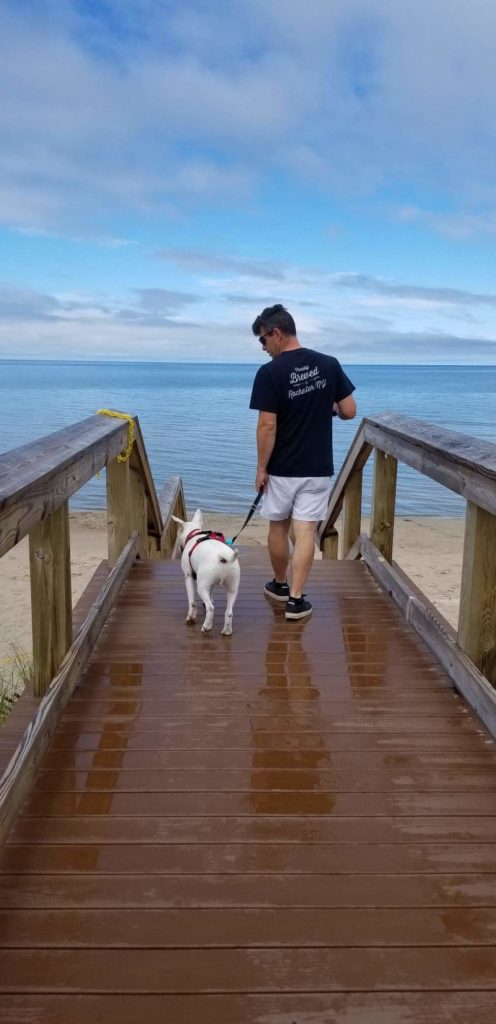
Outside of their day jobs at Kodak Moments, Angeline Ubaldo and Stephen Pasquarette spend their time fostering animals and dedicating time to foster organizations in their communities. We celebrate foster parents and the heart it takes to bring these animals into your lives and provide them with a warm home and a chance at survival.
Read on to learn a bit more about the fostering process and their personal stories.
Question 1: Why do animals need to be fostered?
Angeline:
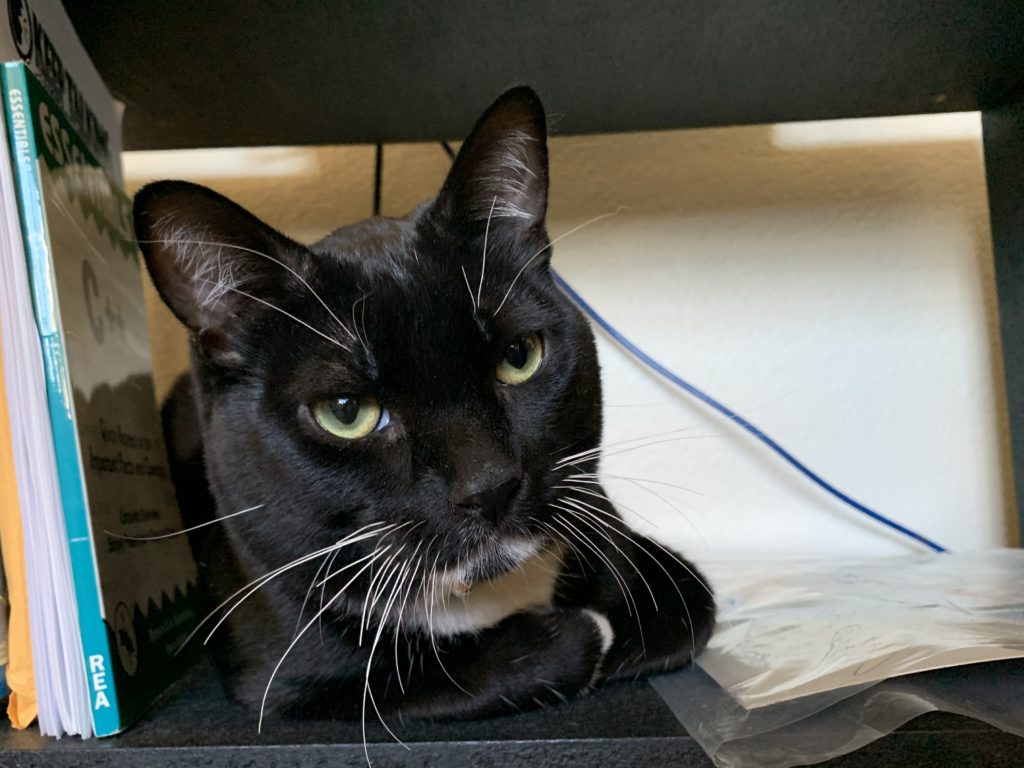
Animals need to be fostered for a number of reasons, like if they’re recovering from surgery or if they need to be socialized. In my case, the rescue that I’m working with doesn’t have physical space to house their animals, so volunteers open up their homes for them until they’re ready to be adopted.
Stephen:
Animal fostering is beneficial and done primarily for three reasons.
- The first reason is to remove and relocate animals from high kill shelters. These shelters are often at or beyond capacity, have limited resources for caring for animals (and prioritize resources to those animals deemed most adoptable) and/or are in communities that have breed specific legislation (BSL) that bans certain breeds.
- The second reason is to remove an animal from a shelter environment when it is exhibiting high levels of stress. Typically animals that end up in shelters are not used to the noise, confinement, strange scents and general commotion of this environment. Most are able to cope with this environment for a short time until they become adopted but some begin to “break down” and may become withdrawn, stop eating, exhibit neurotic behaviors, and/or exhibit other behavioral issues that make it difficult for them to be adopted. Putting these animals into a quieter home environment until an adopter can be found buys them time.
- The third reason is that some animals may not be well suited for adoption by inexperienced pet owners or need to learn additional (basic) skills to successfully integrate into an adopters household. These animals will live with a foster family until an experienced adopter can be found or they have learned basic skills that will enable them to successfully be adopted.
Question 2: How long have you been fostering animals?
Angeline:
I haven’t been fostering animals for very long actually! Since mid-February 2021.
Stephen:
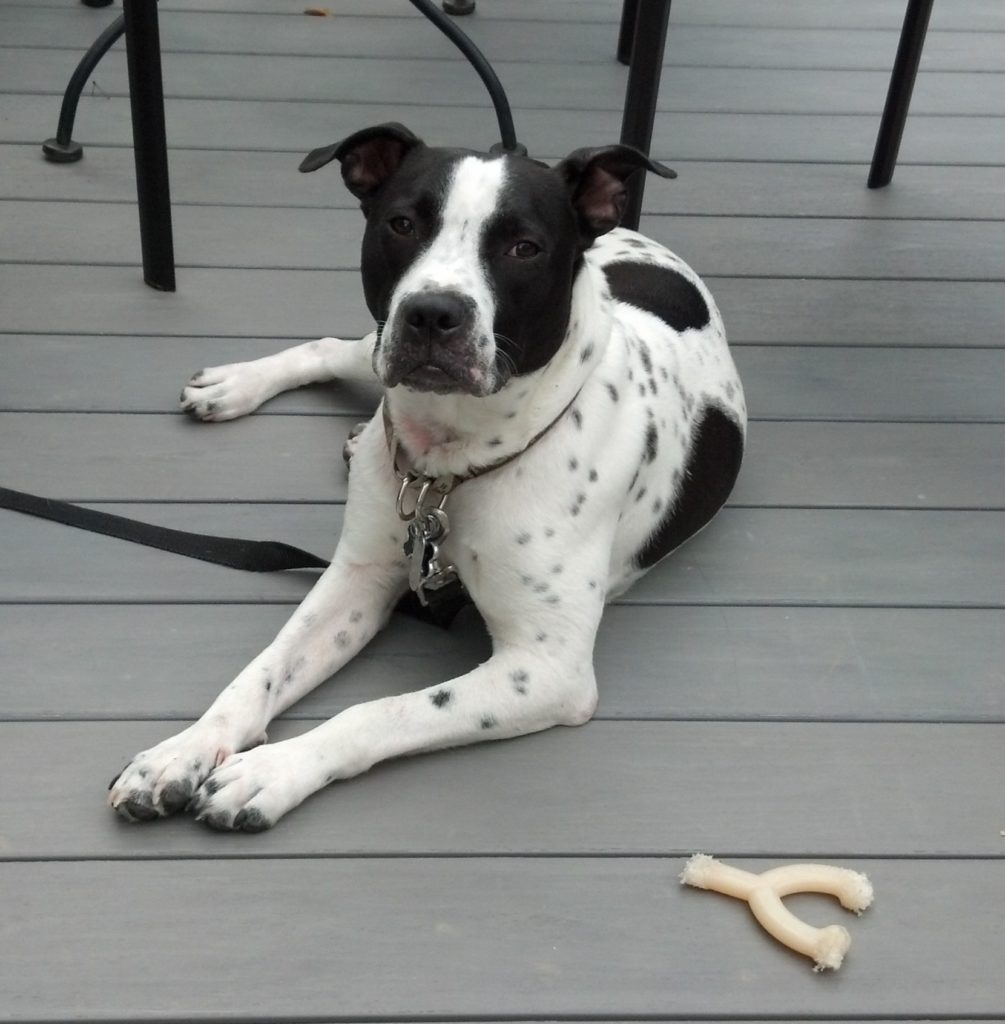
I’ve volunteered at the local animal shelter for around 8 years and have fostered dogs for the last 1.5 years.
Question 4: How did you get started?
Angeline:
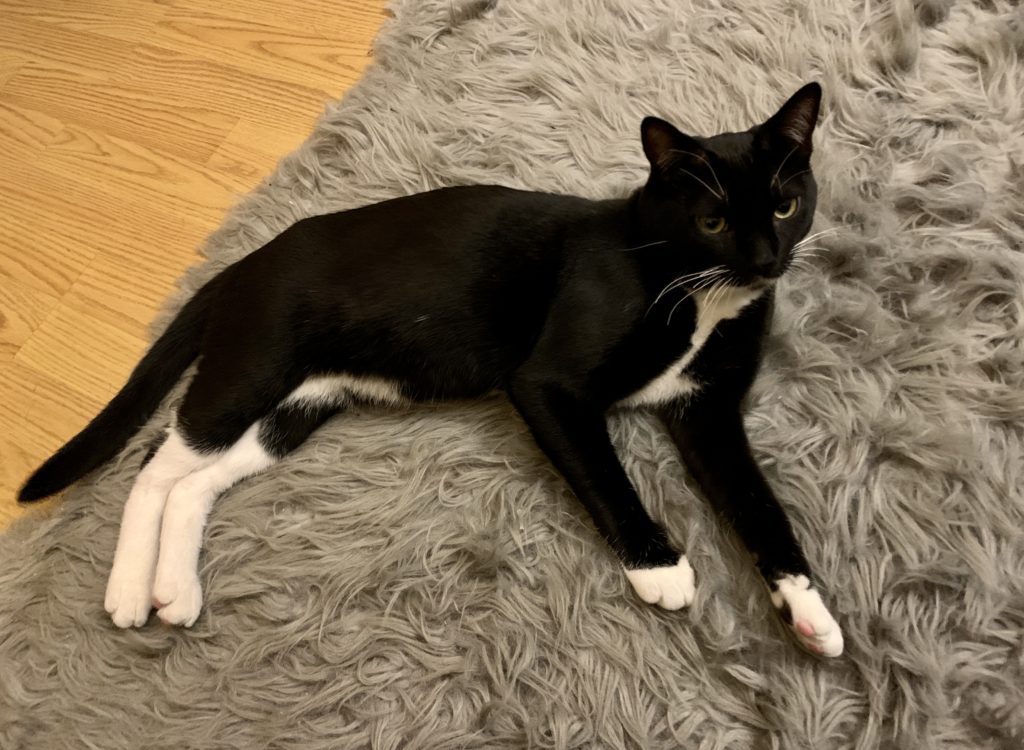
I’m a big advocate for animal welfare and I knew I wanted to foster so I joined pet groups on Facebook and liked pages for local rescues. A woman from one of those rescues posted on a group we were both part of and asked if someone could be an emergency foster for a cat that same day. She came by my house later that night and dropped off Charlie.
Stephen:
Our first foster was a Pitbull mix that I met about a year after I began volunteering at the animal shelter. He ended up being a foster “fail” as we adopted him. Unfortunately we had to say goodbye to him 2 years ago due to a seizure disorder that could no longer be controlled with medication. After his passing, I was not ready to adopt again but our house felt empty and quiet. My wife and I discussed this and felt fostering was a good option. I’d always thought English Bull Terriers seemed like a fun and quirky breed but I didn’t really know much about them so we reached out to the Blue Ridge Bull Terrier Club Rescue (https://www.brbtc.org/) about fostering. Our first two Bull Terriers were through them with. Our current foster is through the Bull Terrier Rescue Mission (https://btrmission.org/).


Question 5: How long does the average fostering of an animal last?
Angeline:
It depends on the animal’s situation. Fostering can be as short as a weekend or as long as a few months.
Stephen:
Fostering duration is highly variable. If you’re working with a local shelter and foster puppies, the duration may be limited to only a week or two. Larger nationally based rescue organizations often have a two-step fostering system that utilizes short term and longer term fosters. The short term foster will take control of, or, “adopt” animals on behalf of the rescue organization (e.g., remove a dog from a high kill shelter) and foster the animal for typically 2-4 weeks until a longer term foster can be identified. The longer term foster then cares for, trains, and socializes the animal until it can be adopted. We fall into the latter category – our fosters have been 5.5 months, 4 months and our current dog has been with us for 4.5 months.
Question 6: Do you have your own animals?
Angeline:
I’ve grown up with a senior Pekingese, poodle and chihuahua mixed breed dog who lives with my parents.
Stephen:
We do not have dogs of our own (currently). This makes us a bit unique (as dog lovers typically have a dog) and it offers rescue groups added flexibility in placing dogs with us.
Question 7: Have you ever taken ownership of an animal that you fostered?
Angeline:
No, but I am seriously considering adopting Charlie.
Stephen:
Yes
Question 8: What are the pros/cons of fostering?
Angeline:
Providing clean water, food, a place to sleep and play for an animal that really needs it are all very big pros. Fostering is kind of a trial run for people who are unsure about committing to having a pet in their home. It does take a bit of patience and hard work to get them acquainted with you. The only con I can think of is getting too attached to your foster animal, becoming a “foster failure” and adopting them into your home!
Stephen:
The pros and cons of fostering are very similar to the pros and cons of being a pet owner. I’ll start with the Cons as I don’t want to end on a down note and because the Pros far outweigh the negatives.
Some of the unique attributes of fostering are:
Cons
- Saying Goodbye – a lot of people tell me “I couldn’t do that, I couldn’t say goodbye”. It can be emotional but you focus on what’s best for the dog and realize you’re part of the process in getting the animal to its forever home.
- It can be stressful. The rescue organizations work with you and make sure you’re a good fit for the animal they’re placing with you. Having said that, the animals are only part way through their journey to finding their forever home and it’s your responsibility as a foster to help them realize their full potential. With respect to the dogs we’ve fostered. Our first dog was a middle aged gentleman who was kind and gentle. He is now living his best life on an island in Maine. Our second dog was a HIGH energy one year old who needed A LOT of structure, consistency, and ultimately behavioral medication. He came to us as an urgent rehome due to a bite situation. Having experience with “bully” breeds I chose to take on this challenge with my eyes wide open. He was ultimately adopted by a wonderful couple in New Jersey who were highly experienced and owned many prior Bull Terriers. In retrospect, he is ultimately a dog I regret not adopting (high effort but also high reward). Our current foster is a senior who came to us with many medical challenges and seems to finally be turning the corner and getting healthy after 4 months. Dealing with and caring for an animal as it goes through health issues and multiple surgeries can be difficult…


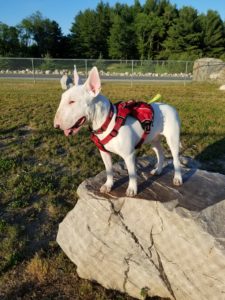
Pros
- It’s fun! The three dogs we’ve fostered have been wonderful souls and amazingly unique in their personalities.
- It’s educational. While at the shelter, Bull Terriers rarely if ever made it to the adoption floor (breed specific rescues were almost always brought in to take the dog). This is not because the dogs were bad or mean – quite the contrary, they are the clowns of the dog world. This makes them adorable, but also makes successful adoption by inexperienced dog owners less likely as they are very independent and have selective hearing… Also, being Terriers their hunting instincts can take over when outside so if you don’t have them leashed it’s likely they will wander off.
- It’s rewarding. You know you’re helping a dog out until it can find a forever home. You’re literally saving its life.
- It’s temporary. After the animal you’re fostering is adopted, you can choose to foster or take a break. It’s not a multi-year commitment like having a dog of your own.
- Vet expenses are paid for by the rescue group.
- If you like the dog, you can adopt.
- You can say “no”. Fostering works around your schedule. If you want to take summers off and only foster part time throughout the year that’s fine.